
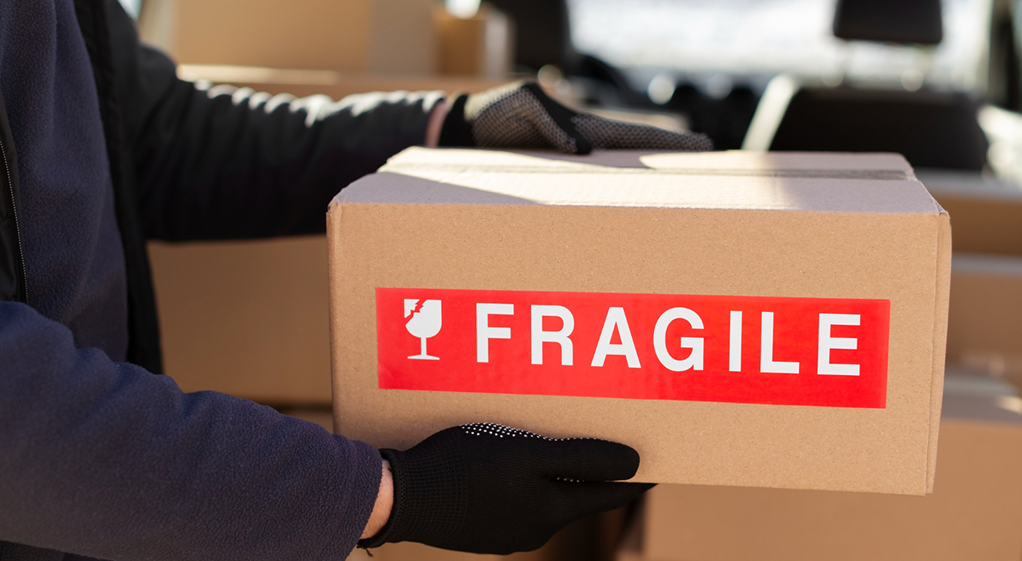
Mistakes That Cause Fragile Furniture To Break During A Long Distance Move
Moving fragile furniture over a long distance isn’t the same as shifting it a few streets away. The furniture gets handled more, sits inside the truck for hours on end, gets exposed to road vibration, pressure, and changing conditions along the way.
For homeowners, renters, and businesses, the most common risks include:
- Glass panels, mirrors, or marble pieces cracking under pressure.
- Timber furniture moving, swelling, or warping during the journey.
- Furniture arriving with loose joints, cracked frames, or weakened fixings.
- Scratches, dents, and rubbed finishes even when items were covered.
- Damage caused by poor loading, rushed preparation, or unsupported heavy items.
ProMove Transport has helped families and businesses move valuable furniture safely across Victoria. As professional movers in Melbourne, we understand how protecting fragile furniture starts before moving day, not after something breaks.
This guide covers the most common mistakes that cause fragile furniture to break during a long distance move, and how better planning helps cut down on avoidable damage.
Poor preparation, weak packing, incorrect lifting, poor truck loading, road vibration, and shifting weather conditions sit behind most fragile furniture breakages on long distance moves. Professional movers in Melbourne like Promove Transport help reduce these risks by assessing furniture materials, securing fragile items correctly, and planning each stage of packing, loading, transport, and unloading around the structure of the furniture.
Why Fragile Furniture Breaks More Easily During Long Distance Moves
Fragile furniture breaks more easily on long distance moves simply because it’s in motion for hours at a stretch. Not all damage is caused by items being dropped. Vibration, pressure, and shifting weight can gradually wear down joints, frames, glass, and finishes all on their own.
Many people assume furniture damage only happens during lifting. In reality, damage often builds up slowly over the course of the transport itself.
|
Transport force |
What it can damage |
|
Continuous road vibration |
Loose screws, weak joints, and worn fixings |
|
Sudden braking |
Furniture shifting inside the truck |
|
Poor weight distribution |
Cracked frames, panels, or legs |
|
Friction between items |
Scratches, dents, and damaged finishes |
|
Temperature and humidity changes |
Timber movement, swelling, or warping |
|
Unsupported heavy surfaces |
Cracks in marble, stone, or glass |
Different materials respond in their own ways. Timber expands, contracts or lifts when exposed to moisture. A cracked edge on glass usually comes down to pressure landing in the wrong spot, and marble or stone surfaces can break outright if they flex during transport.
Experienced removalists know this, which is why they assess fragile furniture by more than just size and weight. They look at how each item is built, where it’s weakest, and what kind of support it needs on the journey.
Protect Valuable Furniture From Start To Finish
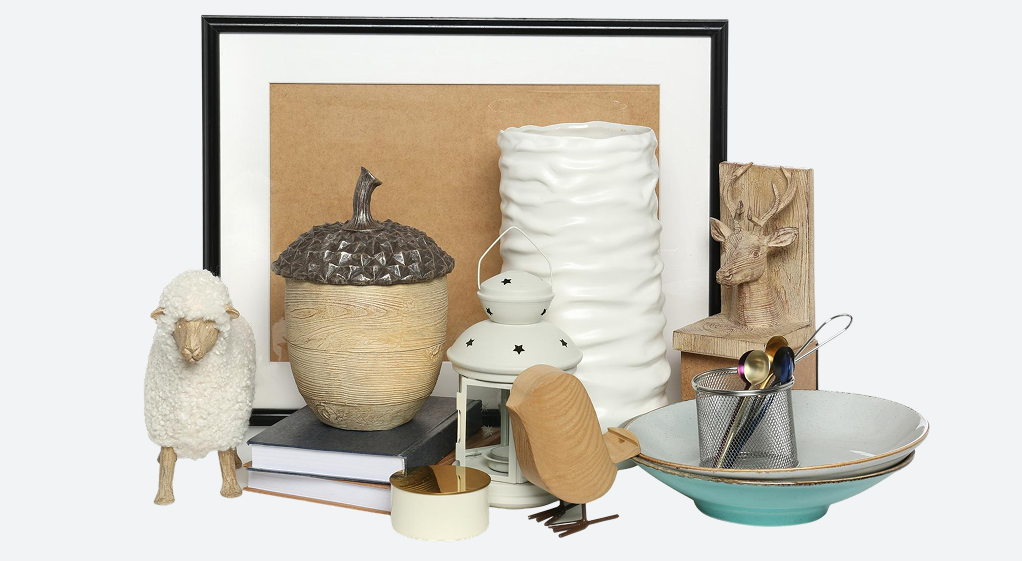
Mistake 1: Moving Furniture Without Checking Its Condition First
Skipping a proper inspection before loading fragile furniture is one of the biggest mistakes people make on a move. Small weaknesses hide easily in older furniture, daily-use items, and delicate pieces, often going unnoticed until damage becomes apparent.
A few things worth checking before moving day:
- Loose screws or bolts.
- Wobbly legs or frames.
- Hairline cracks.
- Weak hinges.
- Loose handles.
- Worn drawer runners.
- Movement around joints.
- Existing scratches or dents.
At home, these issues often appear insignificant. Put that same furniture through a long distance move, though, and those small issues tend to get a lot worse. Vibration loosens fittings looser, and lifting puts direct pressure on areas that are already weak.
Loose fittings, weak joints, and other risks like these are exactly what experienced furniture removalists in Melbourne check for before loading valuable items onto the truck.
Mistake 2: Keeping Large Furniture Fully Assembled
Large furniture isn’t automatically safer when it’s moved in one piece. Keeping it fully assembled quite often raises the risk of breakage instead of lowering it.
A fair few pieces benefit from partial disassembly before the move, including:
- Dining tables.
- Bed frames.
- Entertainment units.
- Modular lounges.
- Cabinet doors or removable shelves.
- Glass inserts or detachable panels.
Taking a piece apart even partially lightens the load, takes pressure off weak joints, and lets each section get wrapped and protected on its own.
A dining table, for instance, might look solid enough, but its legs can take heavy sideways pressure when carried through doorways or loaded into a truck. Taking the legs off reduces that stress and makes the table far easier to wrap and support properly.
The goal isn’t taking everything apart. It’s removing the parts most likely to bend, twist, rattle, or break during handling.
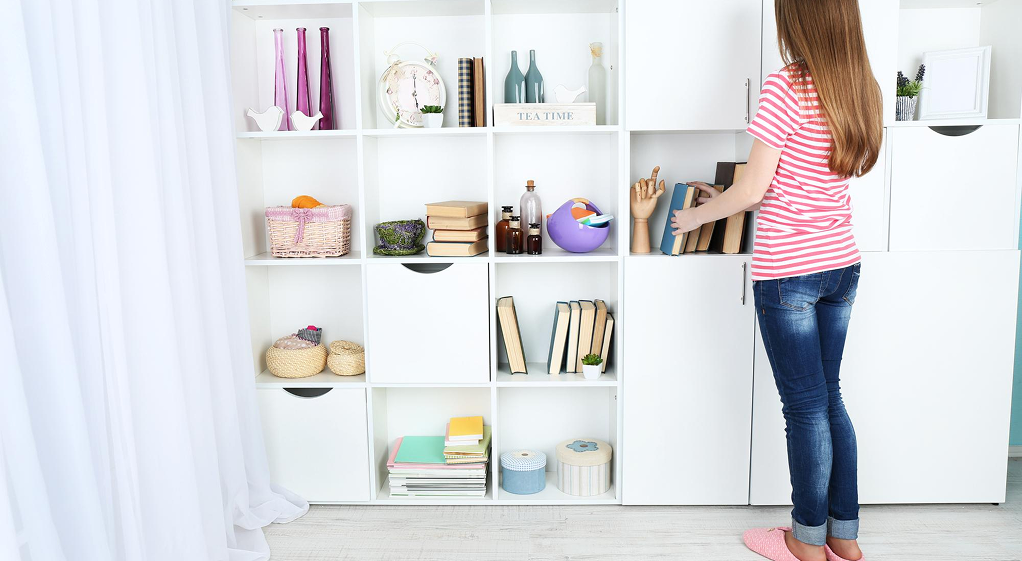
Mistake 3: Leaving Drawers, Shelves, Or Cabinets Full
Leaving belongings inside furniture might save a bit of time, but it raises the risk of damage considerably.
Extra weight can:
- Strain drawer runners.
- Make lifting less stable.
- Pull cabinet frames out of alignment.
- Change the furniture’s centre of gravity.
- Increase pressure on joints during transport.
Full drawers can also slide, shift, or push against the frame from the inside as the truck moves. Over a long distance, that repeated internal movement can cause damage that stays invisible until the furniture gets unpacked at the other end.
Before the move, clear loose contents out of drawers, cabinets, and shelves. If shelves are adjustable, take them out or secure them properly so they can’t rattle around inside the unit.
Mistake 4: Using The Wrong Packing Materials
Wrapping furniture matters, sure, but the wrong materials create a false sense of protection. Household blankets, towels, or thin covers guard against light surface marks well enough, however, they’re not built to handle repeated road vibration over hours.
Better protection usually involves:
- Thick moving blankets for surface protection.
- Corner guards for vulnerable edges.
- Edge protection for glass and mirrors.
- Proper padding between furniture pieces.
- Secure wrapping that holds protection in place.
- Straps or restraints to stop movement inside the truck.
Packing needs to protect both the surface and the structure underneath. For example, a polished timber cabinet needs protection against rubbing. A glass panel needs edge support. A marble tabletop needs support that stops it from flexing.
Good packing isn’t about piling on more material everywhere. It’s about putting the right protection in the right places.
Mistake 5: Wrapping Furniture Too Loosely Or Too Tightly
Loose wrapping allows blankets or plastic shift during transport. As the truck travels, that movement rubs against furniture surfaces and damages polish, paint, or leather.
Overly tight wrapping causes its own problems too. Excessive pressure can affect timber edges, cane furniture, decorative moulding, or upholstered sections. Trap heat or moisture under plastic wrap for too long, and that can affect some finishes as well.
A better approach:
- Use padding directly against vulnerable surfaces.
- Keep the wrap firm enough to stay in place.
- Avoid excessive pressure on delicate edges.
- Protect corners separately.
- Handle sensitive materials according to their finish and construction.
Glass, mirrors, and stone surfaces need more than surface wrapping alone. They need support that stops them flexing or taking pressure from nearby furniture.
Mistake 6: Loading The Truck Without A Proper Plan
Truck loading has a major effect on whether fragile furniture arrives in one piece. A long distance move isn’t just about fitting everything into the vehicle. The load needs balancing, supporting, and restraining properly.
Poor loading forces fragile items to carry weight they were never built to hold.
Avoid these loading mistakes:
- Placing heavy items on top of fragile furniture.
- Loading marble or glass without upright support.
- Leaving gaps that allow items to build momentum.
- Leaning heavy wardrobes against glass cabinets.
- Letting timber surfaces rub against chairs or metal frames.
- Placing delicate pieces where they can shift during braking.
Professional movers usually build stable load zones from the ground up. Heavier items go in low and get secured first, and fragile pieces then take their spot where they’re protected from pressure, rubbing, and movement.
This matters especially for apartment moves, office relocations, and busy access areas, where restricted parking, lifts, loading zones, staircases, and narrow hallways can all raise handling risks if the move isn’t planned properly from the start. Experienced movers and removalists in Melbourne CBD know this aspect particularly well.
Mistake 7: Underestimating Vibration, Weather, And Road Conditions
The journey itself causes a lot of long distance furniture damage, more than people tend to expect. Roads, driveways, corners, and shifting weather conditions all wear away the fragile furniture over the course of the trip.
Timber reacts strongly to this kind of exposure, since it naturally responds to temperature and moisture changes as conditions shift. Older, handcrafted, or already weakened pieces can expand or contract slightly over the course of a long move.
Road vibration can also affect:
- Screws
- Dowels
- Glued joints
- Hinges
- Drawer runners
- Internal fixings
- Glass panels
- Stone surfaces
Different items need different handling:
|
Furniture type |
Main risk |
Safer handling approach |
|
Solid timber furniture |
Joint movement or warping |
Stable support and secure restraint |
|
Glass furniture |
Cracking or edge pressure |
Upright support and edge protection |
|
Marble or stone pieces |
Stress cracks |
Reinforced support and careful positioning |
|
Antique furniture |
Weak aged materials |
Gentle handling and reduced movement |
|
Pianos |
Weight imbalance and timber sensitivity |
Specialist equipment and controlled handling |
Careful lifting, positioning, and restraint aren’t optional extras for equipment like piano. They form the foundation of the entire task, which is exactly why experienced piano movers in Melbourne build their process around them. Antique cabinets, fine timber furniture, and other valuable pieces benefit from that same level of care.
Mistake 8: Treating Specialist Furniture Like Ordinary Furniture
Some furniture genuinely needs specialist handling because of its weight, construction, or value. Moving these items with standard methods raises the risk of damage considerably.
Specialist items may include:
- Pool tables.
- Marble dining tables.
- Antique cabinets.
- Large display cabinets.
- Glass top furniture.
- Designer furniture.
- Grandfather clocks.
- Fine timber cabinetry.
Professional pool table movers, for example, don’t treat a slate pool table like an ordinary piece of furniture. Slate sections, frames, legs, and felt surfaces often need careful dismantling, protection, and a proper reassembly plan. Moving a pool table fully assembled puts unnecessary stress on both the frame and the slate.
The same principle carries over to pianos, marble tables, and large fragile cabinets. It’s not just the weight of the item that matters. It’s how that weight gets distributed and where pressure lands during lifting and transport.
When Fragile Furniture Should Be Left To Professional Movers
Professional help is worth considering when the furniture is difficult to replace, expensive to repair, heavy, delicate, or important to you personally.
Strongly consider professional help if:
- The item needs dismantling and reassembly.
- The furniture has sentimental or business value.
- You’re unsure how to secure it safely in the truck.
- The furniture is antique, designer, or custom-made.
- You’re moving across regional Victoria or interstate.
- The item has glass, marble, stone, or delicate timber.
- The move involves stairs, lifts, tight access, or long carries.
Professional movers do more than lift and transport furniture. They assess access, spot weak points, choose suitable equipment, protect surfaces, control loading pressure, and cut down on unnecessary handling. That kind of planning can make a real difference on a long distance move.
Choose Professional Movers Who Protect Every Item
Final Checklist Before Moving Fragile Furniture
Before moving day, run through this checklist to cut down on avoidable damage:
- Empty furniture before lifting or loading.
- Photograph valuable furniture before transport.
- Avoid stacking heavy objects on top of fragile ones.
- Check all delicate goods for weak joints, cracks, or loose fittings.
- Consider stairs, lifts, narrow corridors, parking, loading access.
- Separate glass, marble, mirrors and art work from heavy furniture.
- Continue wrapping firm, but don’t wrap too tightly around delicate areas.
- Use the proper moving blankets, padding, edge protectors and corner guards.
- Rely on specialist movers for pianos, pool tables, antiques, and stone surfaces.
- Remove drawers, shelves, glass inserts, and detachable parts where practical.
Conclusion
Poor preparation, weak packing, incorrect loading, unsupported heavy items, vibration, and changing conditions along the way are usually behind fragile furniture breaking on a long distance move. A careful assessment of each item’s material, structure, weak points, and handling requirements goes a long way toward preventing most of that damage.
ProMove Transport brings that same careful planning to every job as professional movers in Melbourne, helping homeowners and businesses move fragile, valuable, and specialist furniture from start to finish. Timber furniture, antiques, glass pieces, a piano, or a pool table, whatever’s being relocated, the safest move starts with proper preparation well before the truck arrives. Get in touch with us to know how we can help you with your move.
FAQs
Do professional movers check fragile furniture before loading it?
Yes. Professional movers usually inspect fragile or expensive furniture before loading, so they are aware of weak joints, loose parts, delicate finishes, glass areas or access risks early on. That inspection determines if an item is disassembled, padded, moved differently or kept separate in the truck.
What should I tell movers before they arrive?
Before moving day, identify any fragile, heavy, antique, glass, marble or high value items for your movers. Stairs, narrow corridors, lift bookings, parking restrictions, loading areas and any furniture that is already damaged or has weak joints are also worth mentioning.
Can fragile furniture be moved from an apartment or CBD building safely?
Yes, though it calls for extra planning. Lifts, tight access, limited parking, loading docks, and building rules all come into play with buildings and apartments. Working through these details early cuts down on unnecessary handling and helps fragile furniture move through the property more safely.
Should I repair weak furniture before a long distance move?
A chair, table, cabinet, or frame that already feels loose is worth repairing or stabilising before the move, where that’s practical. Long distance transport tends to make existing weaknesses worse, especially with vibration and repeated handling in the mix.
Are specialist movers needed for pool tables and pianos?
Yes, specialist help is strongly recommended for pool tables and pianos. These items sit heavy and awkward, and they’re sensitive to pressure landing in the wrong spots. Specific equipment, careful weight control, and planned positioning during transport tend to matter far more here than with standard furniture.