
DIY vs. Professional Junk Removal: How to Choose the Right Option
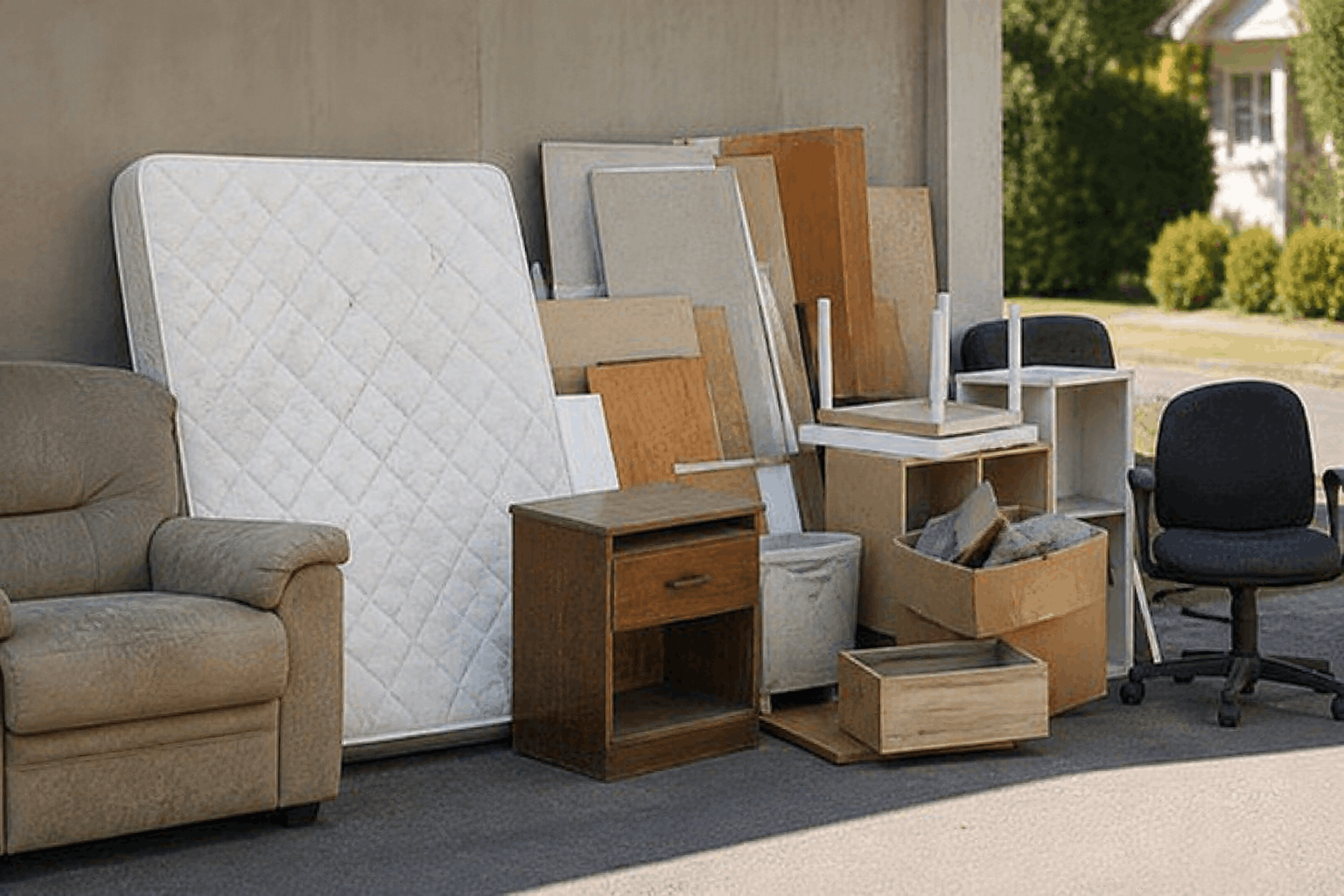
Junk removal can look like a simple weekend job until the pile includes heavy furniture, renovation debris, bulky appliances or materials that need careful handling. A DIY clean-out may work for a few manageable items, while a larger property or renovation project can quickly become time-consuming.
You may be dealing with:
- Heavy items that are difficult to lift safely.
- Bulky waste that will not fit in a standard vehicle.
- Renovation or demolition debris requiring multiple trips.
- Limited time to sort, load and dispose of everything.
ProMove Transport handles rubbish and demolition removal services alongside its broader relocation offering, working across residential and commercial clear-outs where practical handling experience matters as much as the vehicle.
DIY junk removal can suit small quantities of lightweight household waste that you can safely sort, load and dispose of yourself. Professional waste and rubbish removal is more suitable for bulky furniture, large clean-outs, demolition debris and jobs involving difficult access. ProMove Transport combines removal experience with practical handling support for residential and commercial clear-outs.
DIY Removal: When It Works and When It Does Not
DIY removal works best when the waste is limited, lightweight and easy to transport. If you can safely handle the items and have suitable disposal arrangements in place, doing the job yourself is a practical option.
|
Situation |
DIY suitability |
|---|---|
|
A few boxes of unwanted items |
High. |
|
Small household clean-out |
High. |
|
Lightweight garden or household waste |
High. |
|
One or two manageable pieces of furniture |
Moderate. |
|
Large furniture removal |
Low. |
|
Renovation debris |
Low. |
|
Interior demolition waste |
Low. |
|
Large commercial clean-out |
Very low. |
The important factor is capacity. A job that looks contained when everything is sitting inside a property can become considerably harder once items need to be carried through doorways, down stairs and loaded into a vehicle.
Before Choosing DIY, Check Four Things
- Weight: Confirm you can lift each item without risking injury.
- Access: Check that items can pass safely through doors, hallways, stairs and gates.
- Transport: Verify you have a vehicle with enough capacity for the load.
- Disposal: Know where each type of waste can legally and practically go.
If any of these creates a genuine problem, professional assistance is likely to save more time and effort than it costs.
Clear Your Property With Less Hassle
What Professional Removal Actually Changes About the Job?
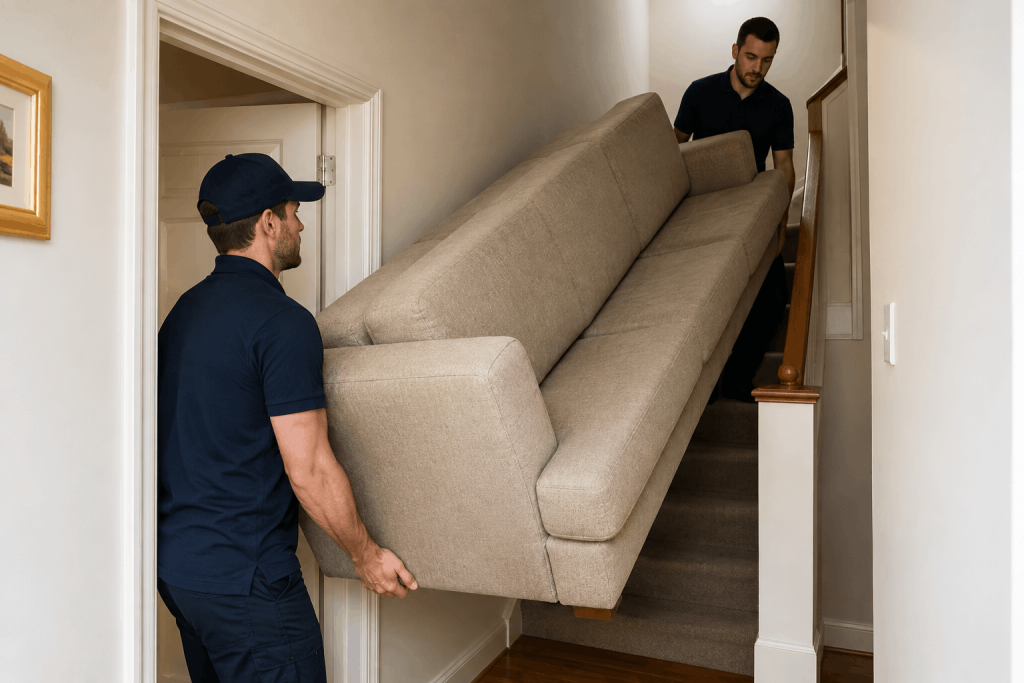
Professional removal converts a series of individual trips into a planned collection process. The team assesses the items, determines the handling requirements, loads systematically and transports using suitable equipment.
For larger clear-outs, this matters because waste rarely comes in one form.
Common Removal Categories
- Furniture: Sofas, wardrobes, tables, beds and other bulky household items.
- Hard waste: Large unwanted items that cannot go in regular household bins.
- Renovation debris: Materials left after property improvement work.
- Demolition remnants: Interior materials and structural components requiring careful handling.
- Commercial waste: Office, factory and warehouse items accumulated during relocation or refurbishment.
For businesses, professional removal can also reduce disruption. A local removalist with experience across commercial moves can coordinate waste collection alongside other relocation tasks, which reduces the number of separate contractors a business needs to manage.
The Physical Workload People Tend to Underestimate
The lift and carry is only one part of the job. A clean-out typically also involves sorting items, moving heavy objects to a loading point, protecting walls, floors and doorways during transit, loading the vehicle efficiently, separating different waste types, transporting the load and completing the appropriate disposal process.
Additional trips follow if the vehicle capacity runs short. This is why a job that appears to take two hours can stretch across most of a day when handled without the right vehicle, equipment or manpower.
Comparing the Two Options Across the Factors That Matter
The better option depends on more than upfront cost. The total workload, physical risk, equipment access and time commitment each factor into the real comparison.
|
Factor |
DIY |
Professional removal |
|---|---|---|
|
Upfront cost |
Usually lower. |
Service fee applies. |
|
Labour |
You provide it. |
Removal team provides it. |
|
Vehicle |
Your responsibility. |
Suitable transport arranged. |
|
Heavy lifting |
Your responsibility. |
Team handling. |
|
Multiple trips |
Common possibility. |
Vehicle capacity planned around the job. |
|
Large furniture |
Can be difficult. |
Better suited. |
|
Demolition waste |
More complicated. |
More suitable. |
|
Time commitment |
Potentially significant. |
Reduced personal involvement. |
|
Physical risk |
Higher if poorly planned. |
Reduced through team handling and equipment. |
|
Commercial clear-outs |
Difficult to manage alone. |
Better suited to organised removal. |
A professional quote also gives a clearer picture of the actual cost before work begins. Ask what labour, transport and disposal-related services are included so the comparison is accurate.
Jobs Where Professional Removal Is the Safer Choice
Professional help becomes particularly relevant when the job involves significant weight, awkward dimensions, difficult access or a large quantity of waste.
1. Heavy or Oversized Furniture
Large wardrobes, solid timber furniture and bulky commercial fixtures can be difficult to move through confined spaces without damaging the items, walls or the people carrying them.
2. Renovation and Demolition Waste
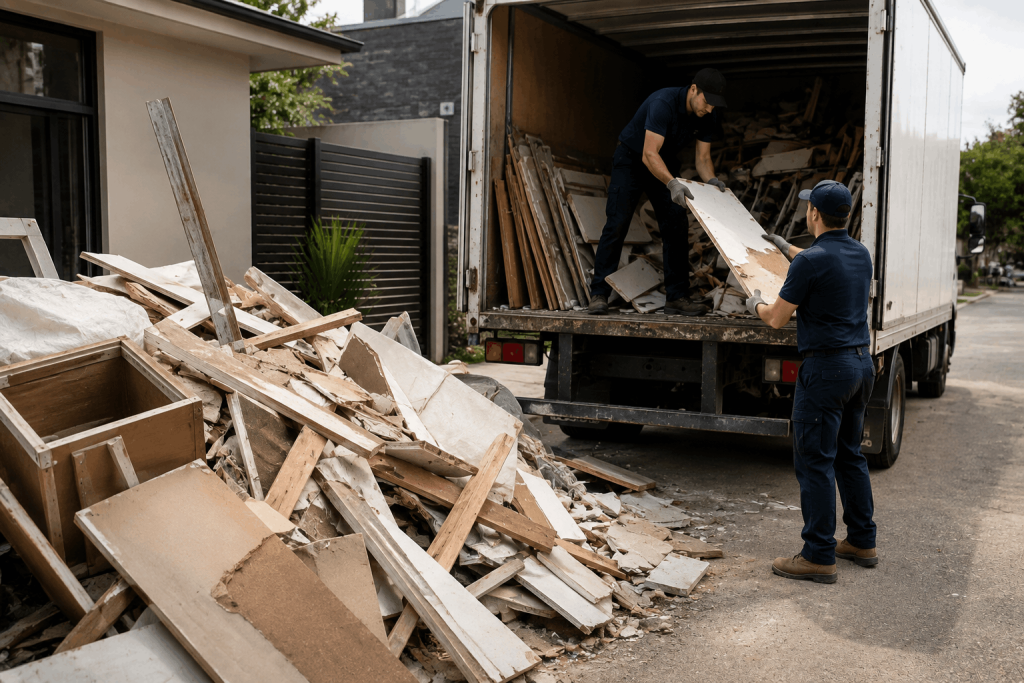
Building materials can be heavy, sharp, dusty or awkward to handle in quantity. A renovation clean-up can involve considerably more material than expected once walls, fittings or interiors are removed. Rubbish and demolition removal services suited to this type of work account for the handling requirements before the job begins.
3. Difficult Property Access
Stairs, narrow corridors, tight driveways and restricted loading areas can convert a straightforward collection into a demanding physical job with real damage risk.
4. Large Property Clear-Outs
Moving out, downsizing, preparing a property for renovation or clearing a commercial site can generate more waste than a household vehicle can manage in a single trip.
Practical point: Measure the route along with the item. A wardrobe may physically fit through a doorway but still fail to navigate a turn in a narrow hallway. Checking turning points before lifting prevents damage and wasted effort.
What to Tell a Removal Service Before Booking
Not every removal job has the same requirements. Giving the removalist enough information upfront means the crew, vehicle and equipment can be matched to the actual work rather than an estimate.
Tell them about:
- The approximate volume of waste.
- The largest or heaviest items.
- Whether demolition has already taken place.
- Stairs, narrow access points or restricted parking.
- The type of property.
- Whether the job is residential or commercial.
- Whether sorting is required before removal.
- Any items that need special handling.
What About Packing and Relocation Work?
Junk removal often coincides with a move. Unwanted furniture may need clearing before a relocation, old office items before a commercial move, or a property before handover. In these situations, combining related services reduces scheduling complexity.
ProMove Transport also provides packing and removalists services, allowing customers to manage different parts of a relocation through one provider where that suits the project.
Demolition Waste and What to Confirm Before the Job
Yes, demolition and rubbish removal can form part of the same project, although the exact materials and work scope need to be discussed in advance.
Interior demolition may produce:
- Removed fixtures.
- Cabinetry.
- Flooring materials.
- Wall components.
- Broken furniture.
- General construction debris.
The removal team needs to know what has been demolished and what remains in place. Demolition work and waste collection are separate tasks with different handling requirements, and that distinction affects how the job is quoted and staffed.
If the project involves specialist materials or regulated waste, confirm whether the service covers those materials before scheduling begins.
Valuable, Fragile or Unusual Items Need Separate Planning
Some items should not be treated as ordinary junk simply because they are leaving the property.
Furniture with high sentimental or financial value may need careful handling even when the owner no longer wants it in its current location. The same applies to antiques, artwork, collectables, delicate furniture, sensitive equipment and high-value household contents.
For particularly delicate pieces, art and antiques shipping services are more appropriate than standard junk removal. The handling approach, packaging requirements and transit conditions are different enough that combining the two services in a single job creates unnecessary risk.
A useful planning step: separate valuable or fragile belongings before the removal team arrives. This prevents items that still need to be retained from being mixed with those scheduled for removal.
A Simple Decision Test Before You Start
Choose DIY When
- The quantity is small.
- Items are lightweight.
- You have suitable transport.
- Disposal arrangements are straightforward.
- You can complete the work without unsafe lifting.
Consider Professional Removal
- Items are heavy or oversized.
- There are multiple rooms to clear.
- Demolition or renovation is involved.
- Access is difficult.
- The property is commercial.
- Multiple vehicle trips would be required.
- The work needs to be completed within a set timeframe.
The decision should account for the complete workload. The removal fee is one variable; the time, physical effort, risk and logistics involved are the others.
Key Questions to Ask Yourself Before Starting
1. How much physical work is involved?
Count the lifting, carrying, stairs, loading and unloading rather than simply looking at the volume of rubbish.
2. How many trips will I need?
A small vehicle can make a low-cost DIY job expensive in time and fuel if several disposal trips are required.
3. What happens if something goes wrong?
Consider damage to walls, floors, furniture or yourself. If the consequences of a mistake are significant, professional assistance deserves serious consideration.
Plan Your Removal With Confidence
Conclusion
DIY junk removal suits small, contained jobs where the items are manageable and disposal is straightforward. As the work grows to include heavy furniture, large quantities, difficult access, commercial premises or demolition debris, the physical and logistical demands shift the balance toward professional support.
ProMove Transport offers waste and rubbish removal services across Melbourne for customers managing hard waste, renovation debris, commercial clear-outs and relocation-related disposal. The team assesses jobs around their actual handling requirements rather than volume estimates alone.
If you are uncertain whether your clean-out is suitable for a DIY approach, speak with ProMove Transport about the items, access conditions and volume involved before committing to either option.
FAQs
Is junk removal suitable for a house move?
Yes. Removing unwanted furniture and household items before or during a move reduces the volume of property that needs to be transported and can make packing and loading more organised. Separate items you intend to keep from those being removed before the collection begins.
Should I remove everything before a demolition project?
Not necessarily. The required sequence depends on the project scope. Items that need to remain should be identified before demolition begins, while materials scheduled for removal should be clearly separated where practical.
Can commercial properties use junk removal services?
Yes. Offices, warehouses, factories and other commercial premises can require large-scale clear-outs during relocation, refurbishment or closure. Volume, access conditions and waste type should all be discussed before the work is scheduled.
How can I get a more accurate removal quote?
Provide photos, approximate quantities, item dimensions and details about access conditions. Mention stairs, restricted parking, demolition debris and particularly heavy items. These details allow the removalist to assess the actual workload rather than estimate from volume alone.