
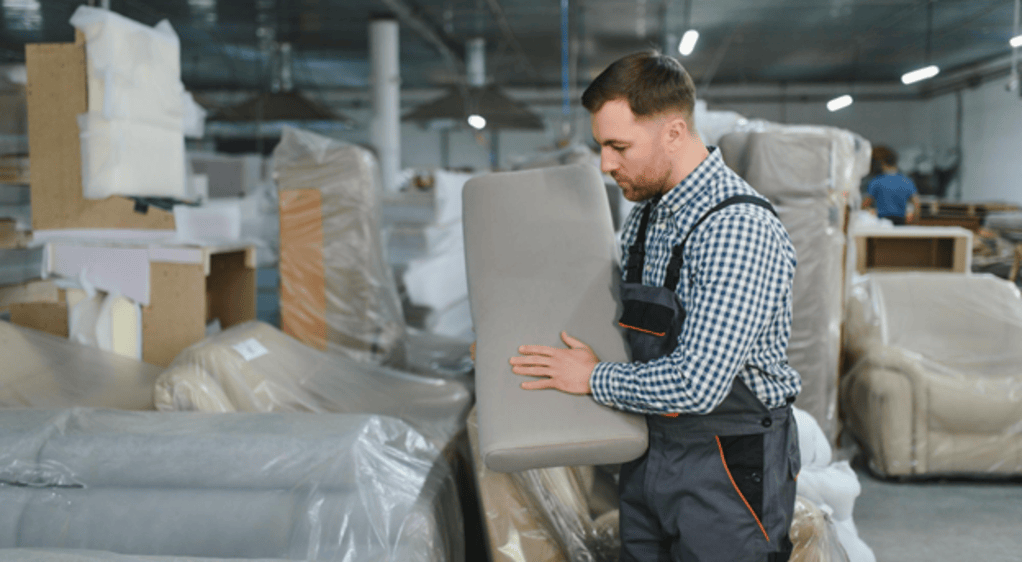
Crucial Questions to Ask a Storage Provider About Furniture Protection
Furniture can spend weeks, months, or even years in storage. During that time, poor packing, incorrect stacking, or shifting environmental conditions can cause damage that stays hidden until everything comes back out.
Before choosing a provider, a few practical questions offer a better basis for evaluating providers:
- How will furniture be packed before it enters storage?
- What protection is used during handling and stacking?
- How are fragile or valuable pieces treated?
- What happens if access is needed before the move is complete?
As an experienced professional,ProMove Transport understands that long term storage in Melbourne involves considerably more than providing space. Furniture protection starts the moment items leave your home. This guide covers the questions that reveal how a provider manages the storage process before you hand over anything valuable.
When comparing providers of long term storage in Melbourne , ask how furniture will be packed, protected, stacked, and monitored throughout the storage period. Trusted providers such asProMove Transport understand that experience across residential and commercial relocations shows that furniture condition at the end of storage depends as much on preparation and handling as it does on the facility itself.
Should You Ask How Furniture Is Protected Before It Enters Storage?
Most people ask about security systems and storage unit features. The preparation process is where the real risk sits.
Scratches, pressure marks, and weakened joints quite often happen during loading and transport rather than while furniture is sitting undisturbed in a storage unit. By the time items arrive at the facility, some damage has already occurred.
Professional providers should clearly explain:
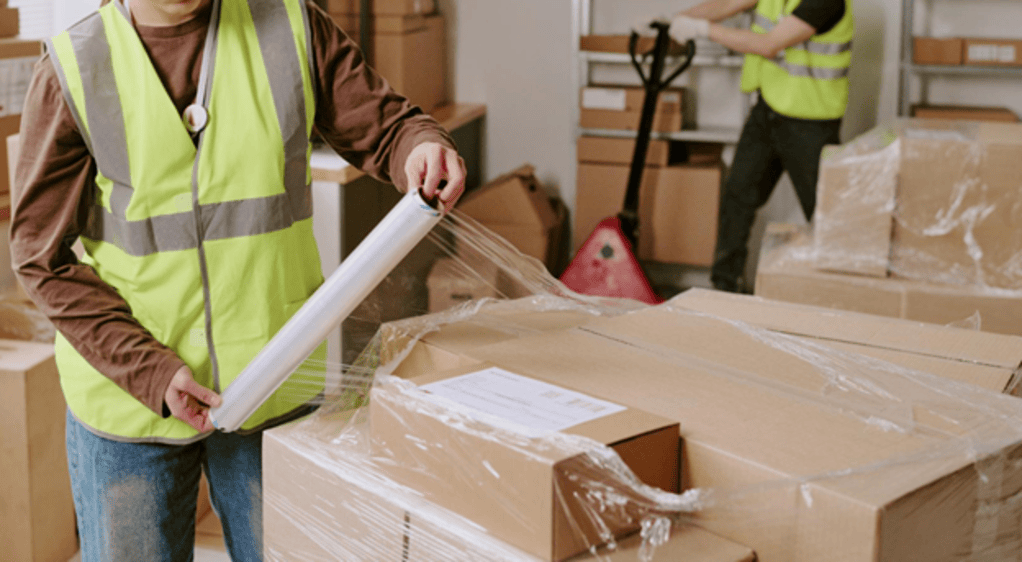
- The wrapping materials used for different furniture types.
- How timber, glass, leather, and upholstered pieces are protected separately.
- Whether furniture is padded before transport begins.
- How fragile surfaces are kept apart to prevent contact during transit and storage.
One detail worth asking specifically is whether the wrapping materials are appropriate for extended storage periods. Some plastic coverings trap moisture against timber furniture when applied incorrectly. Quality providers know when breathable materials are the better choice and use them accordingly.
For people relying on experienced packing and removalists, this preparation stage matters even more. When the same team manages packing, transport, and storage together, every stage is influenced by decisions made at the beginning. Getting the packing process right reduces risk across the entire process.
Store Your Furniture With Protection In Mind
Why Does The Packing Method Inside Storage Matter More Than The Storage Unit?
A secure building cannot fix damage caused by poor stacking. Those are two separate problems.
Furniture needs to be stored according to its weight, shape, and structural strength. Heavy items placed incorrectly create sustained pressure on cabinets, tables, mattresses, and upholstered pieces. That pressure builds gradually and usually becomes apparent only after unpacking.
At ProMove Transport, belongings are stored using a planned Tetris Storage System, positioning every item to maximise available space while maintaining stability throughout the storage period.
| Standard Storage | Planned Storage System |
|---|---|
| Empty gaps increase storage volume unnecessarily | Space used efficiently to reduce storage costs |
| Items may shift over time | Stable stacking reduces movement |
| Weight distribution may be uneven | Heavy items positioned to protect delicate furniture |
Efficient packing is not solely about using available space efficiently. Proper weight distribution reduces structural stress on furniture and removes the cost of paying for unused air in the storage unit.
This matters particularly for households using furniture removalists in Melbourne as part of a complete relocation. Managing moving and storage through the same provider means furniture placement is planned with the final delivery in mind, not just the current storage arrangement.
Is Climate Control Enough To Protect Wooden Furniture And Antiques?
Climate control helps, but it should never be viewed as the only form of protection.
Timber expands and contracts with temperature and humidity changes. Leather dries out. Fabric absorbs moisture when conditions fluctuate over time. A climate-controlled environment slows those processes. It does not stop them entirely, and it does nothing about poor packing or uneven stacking.
A reputable provider should explain:
- Whether climate-controlled storage is available for pieces that need it.
- Which furniture types genuinely benefit from environmental control.
- How airflow is maintained around stored items.
- Whether furniture condition is assessed before long-term storage begins.
For customers arranging art and antiques shipping services, this question becomes particularly important. Valuable and irreplaceable pieces need careful preparation alongside appropriate storage conditions. Climate control without correct wrapping and placement still leaves those pieces exposed to risk.
The point most experts miss is straightforward. Climate control cannot correct poor packing. Furniture wrapped incorrectly or sitting under excessive weight can still be damaged regardless of what the facility’s environmental systems are doing.

Can You Access Your Furniture Without Increasing The Risk Of Damage?
Access matters, but so does the way to the rest of the storage space when something is retrieved.
Every time furniture is moved inside a storage unit, the chance of a scratch, dent, or accidental impact increases. Providers who plan furniture placement from the beginning can retrieve individual items without disturbing everything around them. Providers who commonly increase furniture handling than the original loading required.
Before choosing a provider, ask:
- Can selected items be retrieved without unpacking the entire storage space?
- How are furniture locations recorded?
- Will furniture need to be moved multiple times before retrieval?
- Is advance notice required for access?
For customers already arrangingrelocation services in Melbourne, using a single provider for moving, storage, and final delivery reduces the total number of times furniture is loaded and unloaded. Each handling stage increases the risk of damage. Fewer steps means fewer opportunities for damage.
What Should You Ask About Insurance And Responsibility?
Insurance provides financial protection after damage occurs. It does not prevent the damage.
Understanding exactly what is covered before storage begins removes the uncertainty that typically becomes apparent if damage occurs.
Ask your storage provider:
- Does insurance cover furniture during transport as well as storage?
- Are accidental handling damages included in the cover?
- What documentation is required before items enter storage?
- Does the provider photograph furniture before storage begins?
This provides valuable protection during claims. A photographic record of furniture condition before storage creates a clear reference point if a claim ever becomes necessary. Without it, assessing what changed during storage becomes a dispute rather than a straightforward process.
Antique pieces, handcrafted timber furniture, and sentimental items usually carry different levels of risk than standard household furniture. Discussing those pieces specifically before storage begins lets the provider plan appropriate handling rather than treating everything the same way.
How Can You Tell If A Storage Provider Prioritises Furniture Protection?
Ask detailed questions and pay attention to how confidently they answer. Providers whose processes are genuinely built around furniture protection answer those questions without hesitation. Providers who are not quite sure how their team handles specific furniture types tend to give vague or general responses that fail to demonstrate clear procedures.
Look for providers who can clearly explain:
- Their packing methods before furniture enters storage.
- How wrapping and securing is handled for different materials.
- Their approach to stacking and weight distribution.
- Storage conditions for sensitive or valuable pieces.
- How inventory is tracked and retrieval is managed.
- Insurance options and what they actually cover.
One consistent observation from years of assisting homeowners and businesses with storage and relocations: furniture protection is the result of dozens of small decisions made across the entire moving process. The quality of the storage building is one factor. Everything that happens before and during storage shapes the outcome just as much.
Give Your Furniture The Protection It Deserves
Conclusion
Choosing long term storage in Melbourne involves more than comparing prices and available space. The right questions reveal how a provider actually handles furniture from the moment it leaves your home through to the day it leaves storage.
AtProMove Transport, experience across residential and commercial relocations has shown that careful preparation, planned storage, and proper handling all contribute to furniture arriving back in the same condition it left. If you are planning an upcoming move or need reliable storage, our team can provide a storage solution tailored to your needs that protects your belongings and helps make the relocation process as straightforward as possible.
FAQs
Should Furniture Be Cleaned Before It Goes Into Storage?
Yes. Dust, food residue, and trapped moisture can cause stains, mould, or odours during extended storage. Cleaning furniture beforehand and letting it dry completely before wrapping reduces that risk considerably.
Is Professional Packing Worth It For Long Term Furniture Storage?
For furniture staying in storage for several months or longer, yes. Appropriate wrapping materials, protective padding, and correct loading techniques each reduce the risk of pressure damage, surface scratches, and movement over time. The cost of professional packing is usually far less than the cost of repairing damage that could have been prevented.
How Should Mattresses And Upholstered Furniture Be Stored?
Clean, fully dried, and covered with breathable materials rather than plastic. They should be stored in a position that supports their structure without placing weight on cushions, fabric, or internal springs over an extended period.
Should I Choose Self Storage Or A Full Service Storage Provider?
Self storage works when you are comfortable managing packing, transport, and loading yourself. A full service provider handles collection, storage, and return, which reduces the total number of times furniture is handled and lowers the risk of accidental damage, particularly for larger or more delicate pieces.