
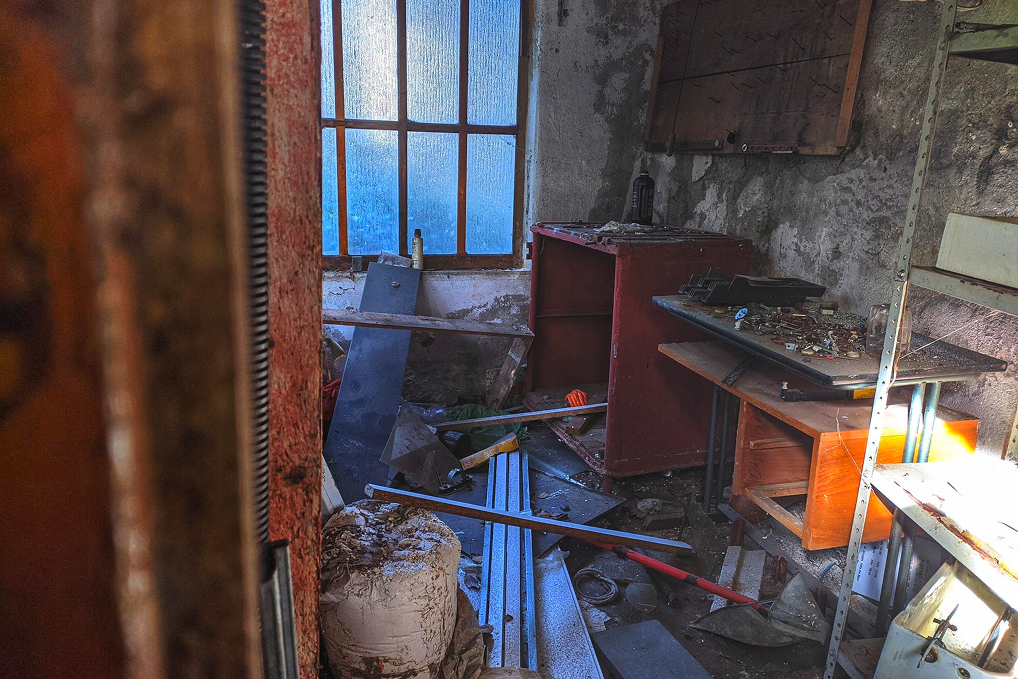
The Hidden Risks of DIY Interior Demolition: Why Professional Waste Handling Matters
Pulling down a wall sounds like a weekend job. Most Australians have no idea what sits behind the surface. One wrong move and a simple renovation turns into a health crisis, a legal headache, or both.
Here is what catches most DIYers off guard:
- Breathing in asbestos or lead dust without knowing it was there.
- Cutting through live wires or gas lines hidden inside walls.
- Pulling down a load-bearing wall with no structural check done first.
- Dumping demolition waste the wrong way and facing a heavy fine.
At Promove Transport, our experienced team handles rubbish removal demolition services across Melbourne and beyond. We clear furniture, appliances, old carpeting, construction debris, and general waste. We have seen what goes wrong when hazardous materials are mishandled.
This blog covers the real risks of DIY demolition and why professional handling is always the right call.
DIY interior demolition hides dangers most homeowners never expect. Asbestos, lead dust, and silica live inside walls of older Australian homes. Illegal waste disposal carries heavy fines. Rubbish removal demolition services from Promove Transport keep you safe, legal, and fully covered from day one.
Why Is DIY Interior Demolition Riskier Than It Looks?
Most people think demolition is just messy work. It is much more than that. Older homes are very likely to contain asbestos. It shows up in wall sheeting, ceilings, floor backing, insulation, and pipe lagging.
One hammer swing can send fibres into the air. You cannot see them. You cannot smell them. Breathing them in can cause serious and permanent lung damage.
Silica is another real danger. Breaking or grinding brick, concrete, or older sheeting releases silica into the air. One unprotected afternoon on a demo job is all it takes to cause real harm.
Avoid Hidden Demolition Risks Before They Turn Costly
What Hazardous Materials Are Hiding Inside Your Walls?
Lead paint was used in most older Australian homes. The paint sits safely when left alone. The moment you sand, smash, or scrape a surface, fine lead dust fills the air. It lands on floors, benchtops, clothes, and furniture. Children pick it up with their hands. Even small amounts affect brain growth and kidney function.
Other hazards matter too. Water-damaged walls often hide mould. Disturbing it sends spores into the air and causes breathing problems. Old fluorescent lights and batteries carry mercury. Older electrical fittings may hold chemicals linked to cancer.
Plasterboard looks harmless but is a real trap. When gypsum ends up in a mixed landfill, it breaks down and releases toxic gases. Plasterboard is fully recyclable when kept separate. Most DIYers never separate it. If you need help sorting and clearing materials the right way, furniture removalists in Melbourne can work alongside your demo timeline and keep the site clean from day one.
How Does Structural and Utility Damage Happen During DIY Demos?
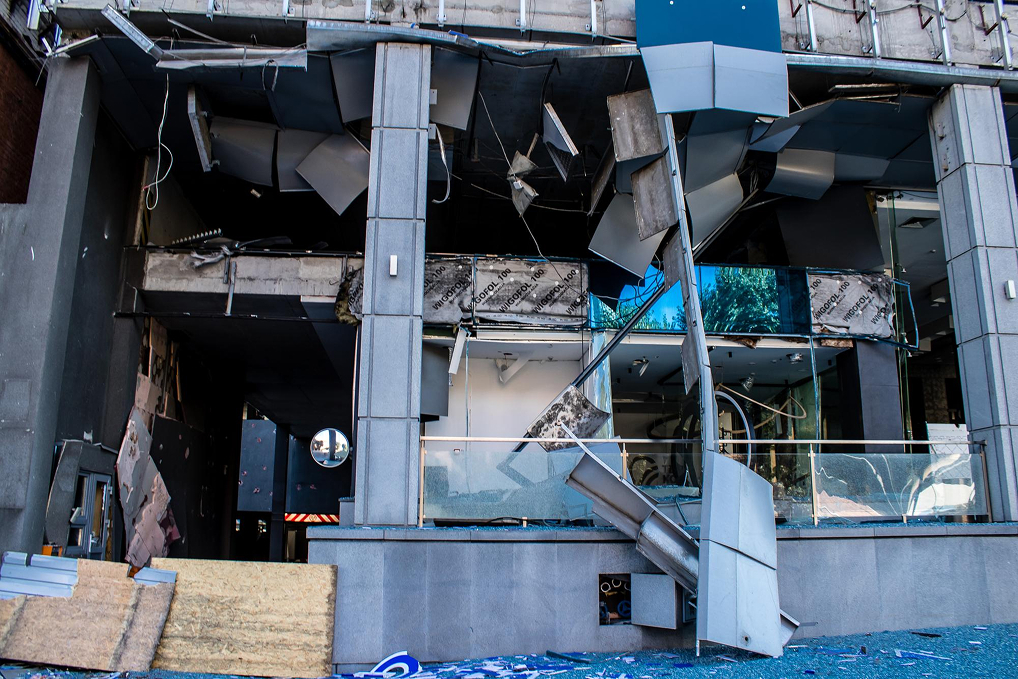
Not every internal wall is a partition. Some hold the roof up. Some support upper floors or surrounding frames. Removing the wrong one without an engineer checking first can bring part of the structure down. That is not a setback. That is a collapse.
Every wall also hides the things your home runs on. Live electrical cables, gas lines, water pipes, and data cabling all run through wall cavities. Cutting a live cable causes electrocution and fire. Hitting a gas line risks an explosion. Breaking a water pipe floods the cavity and causes long-term mould. Professional teams check all of this before opening any wall. Most DIYers skip this step entirely.
Why Does Professional Waste Handling Make a Real Difference?
A professional service gives you something a DIY job cannot. Every material removed from your site has a clear path from pickup to licensed disposal. That paper trail protects you if questions come up later.
Professionals also check for hazards before touching anything. Asbestos and lead work happens in controlled conditions. Containment stops fibres from spreading to other rooms or nearby homes.
If you are moving belongings out before work begins, pre-packing services in Melbourne keep your valuables safe before any structural work starts. For projects in the city, movers and removalists in Melbourne CBD understand the access rules and building requirements that inner-city sites come with. Getting the right team early makes the whole job run cleaner and faster.
Choose Safe Demolition Waste Handling From The Start
Conclusion
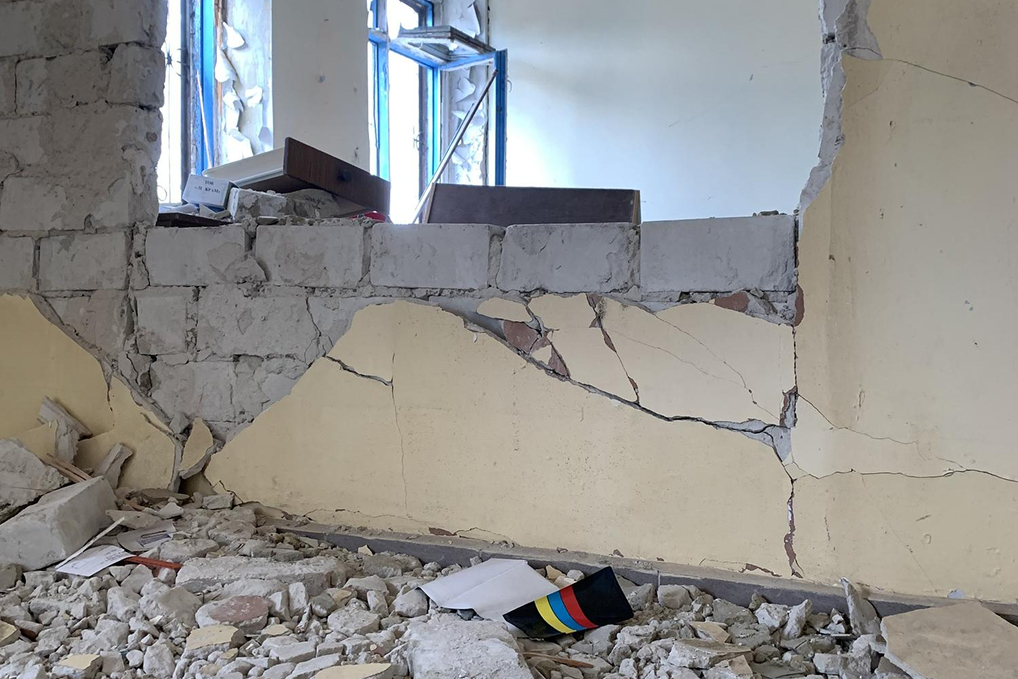
DIY interior demolition carries risks far beyond a dusty room. The materials in older walls are genuinely dangerous. The waste rules are strict. The fines for getting it wrong are real. Promove Transport offers reliable rubbish removal and demolition services. We help homeowners and builders clear waste safely and legally. Get in touch with us today and let experienced hands take the hard part off your plate.
FAQs
Can I put demolition waste in my regular skip bin?
Not always. Asbestos, lead waste, and gypsum plasterboard need separate handling at licensed facilities. Mixing hazardous waste with general waste breaks Australian law. The property owner can be fined even if a hired contractor made the mistake. Always check what goes where before your project starts.
Am I responsible if my contractor dumps waste illegally?
Yes. Australia’s Duty of Care laws hold property owners responsible for their waste reaching a licensed facility. Your contractor’s mistake becomes your legal problem. Always ask for written waste tracking records before any rubbish removal contractor leaves your site with demolition material.
What should I keep in mind during a home demolition?
Never work alone on a demolition job. Always wear a proper dust mask, eye protection, and gloves. Keep children and pets out of the area completely. Turn off power and gas to the section you are working on before you start. And never assume a wall is safe to remove without checking what is behind it first.
Why is plasterboard a problem in general landfills?
Plasterboard holds gypsum. When gypsum breaks down in landfill, it releases toxic hydrogen sulphide gas. This creates a real environmental risk. Clean, separated plasterboard is 100% recyclable. The problem starts when it gets mixed with other demolition waste and ends up in a general landfill instead.